Why the fuck could we just walk over and get fresh bread so much cheaper than American supermarket slice bags

simit: bread like a big thick ring, typically encrusted with sesame seeds. I used to dip bits of mine in my teacup and everybody thought it was sacreligious 'till they tried it and got addicted to it too.
açma: Slightly sweet yeast pastry like a big thick ring, fluffy compared to simit. I miss these most. They were my favorite breakfast as a kid.
pogača: small loaves stuffed with cheese. I'd leave these to my siblings but I think I'd like 'em more now given how my tastes have changed.
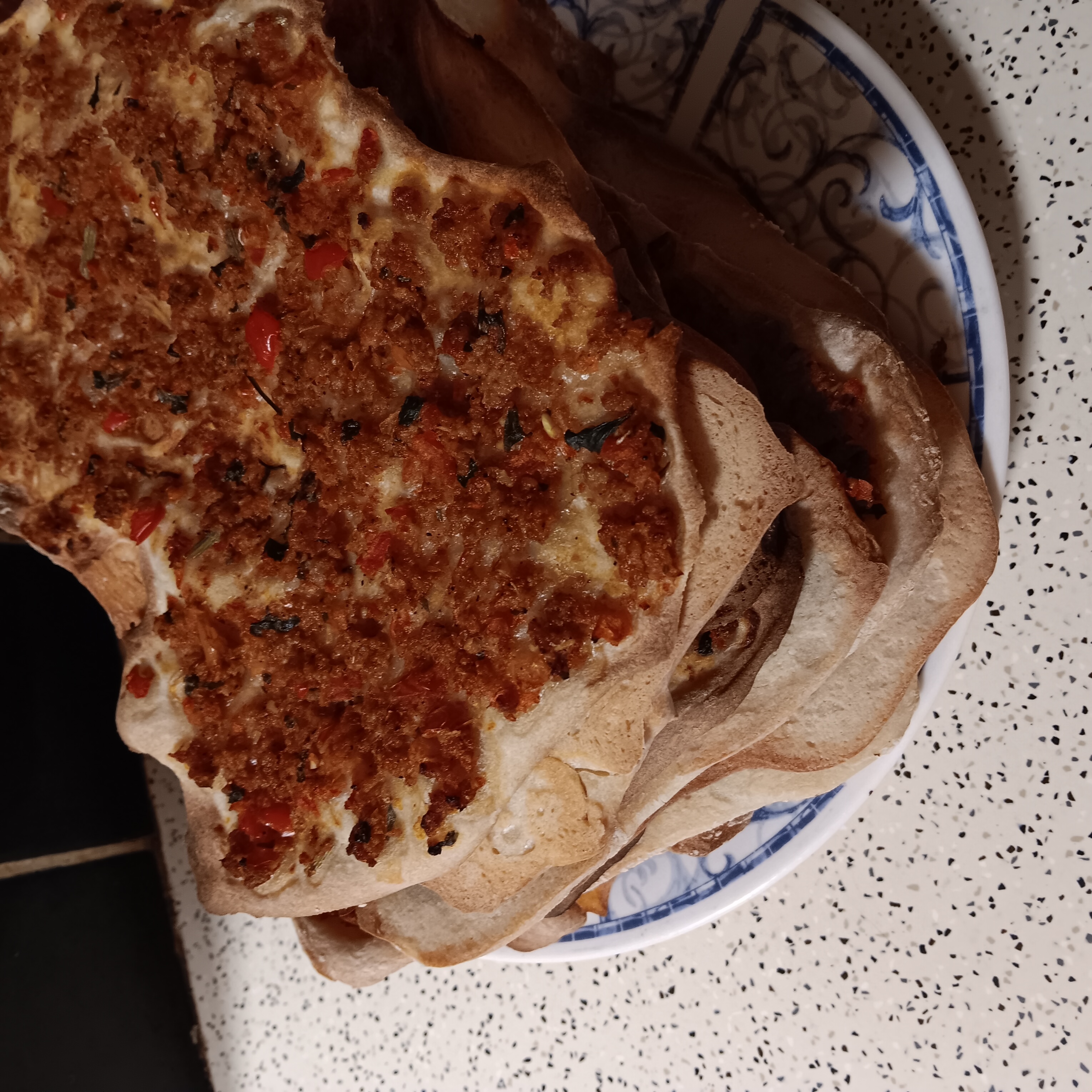
pide: broad, round and flat bread made of wheat flour.
baklava: filo pastry dessert, filled with chopped nuts (pistacio cuz we're in Gaziantep), and sweetened with syrup or honey.
I often tell my students that you can’t always translate things literally, word-for-word, from one language into another. That’s because not only are the sounds, words, and grammar different in different languages, but the ideas and concepts behind the words and grammar are often very different as well.

For example, in English we say, “What’s your name?” But in French you would say, “What do you call yourself?” In Russian you say, “What do they call you?” We say in English, “I am 16 years old, ” but in French that would be “I have 16 years,” in Russian you would say, “To me is 16 years,” and in Turkish you say “I am at 16 years.”

Especially in non-European languages, there are oftentimes common expressions that have no real equivalent at all in English. Take a look at this literal translation of a typical conversation I’ve had many times (speaking the local language) here where we live. Every morning I go to the bakery to get bread for breakfast:

Me: Morning light.

Baker: Morning light, pleasantly you have come, command.

Me: Pleasantly we are found. Three. (I hand him the money)

Baker: (He hands me the bread). Command, my sir. May there be a good appetite.

Me: Be healthy. May it come easily.